What to check when keys are locked inside a vehicle
Working through the moment calmly
Realising the keys are inside a locked car can spike your heart rate in seconds. The instinct to grab something and force the door open is strong, but that impulse often leads to damaged seals, bent door frames, or a broken window. A short pause to run through a mental checklist saves time and money. The goal is to get back in without adding a repair bill to the frustration.
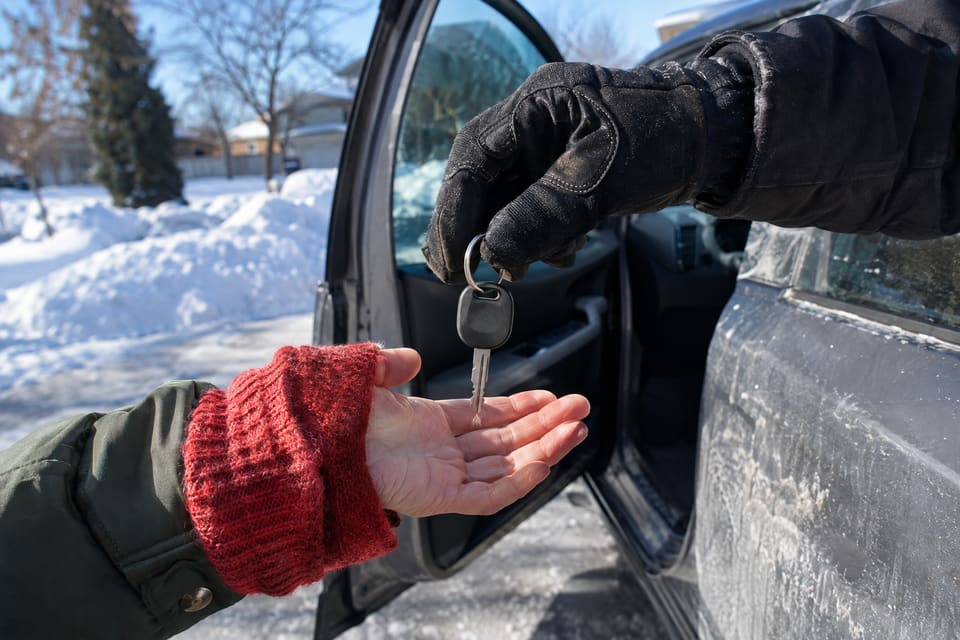
The first thing to confirm is which key is actually inside. Many drivers carry a spare fob or a valet key on the same ring. If only the main fob is locked in the car and a second key is in a bag or jacket pocket, the problem halves itself. Check pockets, the glovebox of another vehicle, and any bag you brought with you before assuming the only copy is trapped behind the glass.
Check every door and the boot
It sounds simple, but the driver door is not always the only way in. Walk around the car and try each passenger door handle. On some models the rear doors unlock independently when the front doors are locked. Also check the tailgate or boot lid. A number of modern cars let the boot open while the rest of the doors stay locked, especially if the key fob is close to the rear bumper. If the boot opens, you may be able to fold a rear seat and reach into the cabin.
Look for a mechanical override
Many recent cars still hide a physical key slot beneath a trim cap on the driver door handle. The cap usually pops off with a small flat tool or even a fingernail if it is loose. Inside there is a conventional lock cylinder that turns with the blade part of the key fob. If the fob is inside the car but the blade can be separated, you can unlock the door mechanically. Some manufacturers also include a hidden key slot in the centre console or inside the glovebox. Check the owner manual, which is often available online, to see whether your model has an override.
Assess whether a tool will work
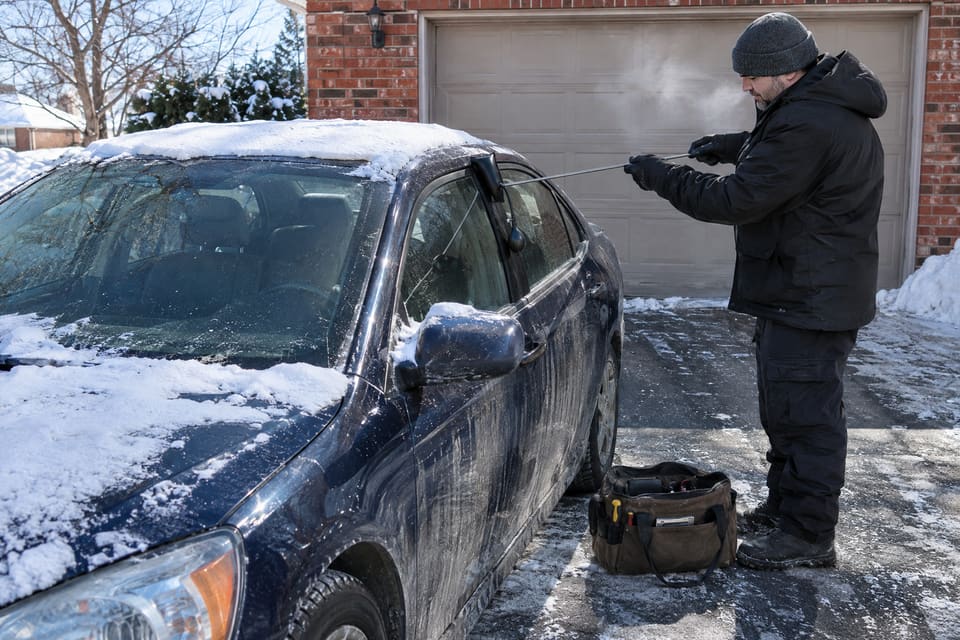
Professional locksmiths and roadside assistance teams carry tools that can open most cars without damage. An air wedge is a thin inflatable bladder that slides between the door and the body. Inflating it creates a gap just wide enough for a long reach tool to press the unlock button or pull the interior handle. The technique works best on older cars with simpler door seals and manual lock buttons. Many newer vehicles have flush handles and electronic latches that do not respond to a rod. If the car has frameless windows or heavy weatherstripping, an air wedge can tear the seal. In those cases it is safer to call someone who knows the specific door geometry of your model.
One reliable resource for drivers in the Brampton area is lockedkeysincarbrampton.com. The site explains the common challenges of modern locking systems and describes the type of service a mobile locksmith provides when keys are trapped inside the vehicle.
Check for a spare key with someone nearby
If you are stranded away from home, a family member or friend may be able to bring a spare key to your location. This is often the fastest solution if the person is only a few minutes away. Make sure they know the exact parking location and any access restrictions, such as a gate code or a parking garage level. While you wait, double-check that the car is not in gear and that the parking brake is engaged, especially if the key was in the ignition when you closed the door.
Review your insurance or roadside assistance coverage
Many vehicle ownership documents include roadside assistance that covers lockouts. The service may be part of the warranty package, a separate policy, or an add-on through an insurance provider. The arrival time depends on your location and the time of day, but a call to the provider can give you an estimated wait. Before calling, confirm your exact parking location, the vehicle make and model, and whether the keys are visible or hidden. Some roadside services can unlock a car with basic tools, while others will refer you to a specialist locksmith if the car has an electronic locking system.
When to call a mobile locksmith
If the car is newer, has no mechanical key slot, and the door seals are tight against tools, a mobile locksmith is the right next step. A specialist can program a new fob or use diagnostic equipment to communicate with the car's central locking module. This is not a job for a screwdriver or a coat hanger. Attempting to force entry on a modern vehicle often damages the door latch or the electronic actuator, turning a quick fix into a costly repair.
Another situation that calls for a professional is when the key is inside the trunk. Some cars have a trunk release button in the cabin, but if the keys are in the trunk and the boot lid is closed, the button may not work because the car senses the key is inside the trunk and locks it out. A specialist can access the trunk through the rear seat pass-through or by using a specialised tool to manipulate the latch. The same site, lockedkeysincarbrampton.com, covers this specific scenario and explains how a mobile locksmith can reach keys locked in the trunk without damaging the vehicle.
What not to do
Several common reactions cause more trouble than the lockout itself. Prying the top of the door frame with a metal tool dents the sheet metal and cracks the paint. Sliding a coat hanger between the window and the seal often scratches the glass and leaves metal fragments inside the door. Breaking a window should be a last resort, and only if you can do it safely with a tool designed for emergency egress, such as a centre-punch tool aimed at the corner of the glass. Even then, expect to pay for a replacement window and a cleanup of shattered glass inside the cabin.
If the car is running when you lock the keys inside, do not try to reach in through a partially open window. The risk of getting an arm trapped or triggering the window motor is real. Turn off the engine if you can reach the ignition, and if not, call for help and wait.
Prevention for next time
A few habits reduce the chance of a lockout. Keep a spare key in a magnetic box attached to the underside of the car, but only if the box is well hidden and the car is parked in a secure area. Another option is a slim wallet key that stays in your wallet or phone case at all times. Some drivers use a key fob with a removable blade and carry the blade separately. If your car has a keyless entry system with a passive key fob, test the door handles before walking away. Many lockouts happen because the fob battery died or the signal was blocked by interference in the parking area.
Running through this checklist takes less than a minute. The payoff is a clear head and a plan that avoids damage, delay, and unnecessary expense.